The Albanian Flag Meaning: Symbols and Where to Experience It
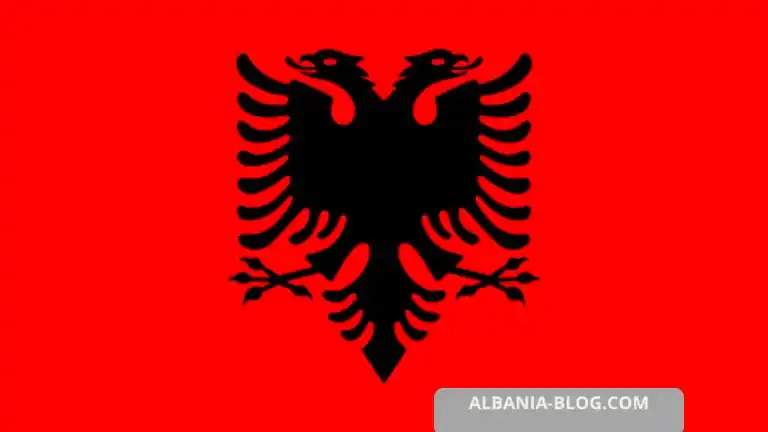
The Albanian flag meaning is deeply rooted in the soul and history of the country.
If you are traveling to Albania, you will see this striking black eagle on a red background flying proudly on city squares, mountain balconies, and local tavernas.
Understanding this national symbol will give you a much deeper connection to the local culture and people during your trip.
Essential Travel Resources
Before you head out, sort your travel essentials to secure the best rates:
- Car Rental: Compare local deals and prices on DiscoverCars.
- Excursions & Guides: Book top excursions and local guides on GetYourGuide.
- Mobile Internet: Instant internet connection upon arrival via Yesim eSIM.
- Where to Stay: Find top-rated hotels and apartments on Expedia.
- Travel Insurance: Protect your trips with SafetyWing.
Red and Black: The Core Albanian Flag Meaning

To truly understand the Albanian flag meaning, you have to look closely at its stark design. The design is simple, dramatic, and instantly recognizable.
-
The Eagle: Symbolizes greatness, pride, and an unconquerable spirit. Albanians call themselves Shqiptarë (“Sons of the Eagle”), and the country is Shqipëria (“Land of the Eagles”).
-
The Red Background: Represents the blood shed by ancestors during centuries of fighting for liberation and independence.
-
The Two Heads: The eagle has no crown. This signifies that it represents the people’s freedom and national identity, not an imperial dictatorship.
The Legend of Skanderbeg

You cannot walk through any Albanian town without seeing a monument to Gjergji Kastrioti (Skanderbeg).
-
The Hero: Skanderbeg is the ultimate national hero who united the tribes in the 15th century to defeat the Ottoman conquerors.
-
The Origin: The modern flag is based directly on the family crest of the Kastrioti clan.
-
Where to experience this: Visit the historic town of Kruja. Here, you will find the Skanderbeg Museum and an old bazaar filled with high-quality, handcrafted flag-themed souvenirs.
Where to Experience the Albanian Flag Symbolism

To truly appreciate the history of the flag, make sure to add these three points to your travel route:
| Location | Why Visit? |
| Vlora (Museum of Independence) | Where the flag was officially raised in 1912. |
| Kruja (Castle & Bazaar) | The historical fortress of Skanderbeg. |
| Tirana (Skanderbeg Square) | The central main square of the capital. |
Visiting these historical sites lets you experience the Albanian flag meaning firsthand.
👉 Pro Travel Tip: When in Vlora, visit the Museum of Independence. You can see the original 1908 flag there. It is a simple but powerful experience.
Why the “Land of Eagles” Matters to Travelers

Albania is full of rugged nature, with mountains covering about 70% of the territory.
During your travels, you can still see real eagles soaring above the cliffs. The flag perfectly captures the wild, free, and untouched spirit of the Albanian landscape.
Ready to Explore the Land of Eagles?

Experience the history of the flag by traveling through the scenic mountains and coastal cities where it was defended.
🔎 Make your trip smoother:
- Car Rental: Public transport won’t take you to remote castles. Rent a car via DiscoverCars.
- Hotels: Check the best-rated hotel deals in Tirana and Vlora on Expedia.
👉 Local Culture: Read our essential guide: Albania on the map about the Country to master local tips, currency, and climate before you arrive.
Shorts: Inspiration for a Trip to Albania
Experience the vibrant Albanian cities with your own eyes. Here’s Gjirokastër and its mountaintop fortress in the morning:
👉 Subscribe to the Life in Albania YouTube channel! Get honest price reviews, travel hacks, and helpful tips from first-hand experience.
Author content.
If this article helped you, you can support the author with a coffee.