
Albania on the map

Planning a trip? This Albania travel guide is all you need.
I have lived and traveled here for five years. Inside, you will find top beaches, historic towns, and mountain trails.
No useless text. Just practical maps, local tips, and real travel costs. Everything is based on my personal experience.
Why Visit Albania
Albania is one of Europe’s last true travel adventures. It changes rapidly every day. That is why a modern albania travel guide is essential for your trip.
For decades, the country remained isolated from the world. This isolation preserved its pristine nature and unique culture. It also kept the local hospitality completely authentic.
Today, Albania offers an incredible mix for travelers. You will find affordable Mediterranean beaches and dramatic wild mountains. The country combines rich history with delicious, budget-friendly food. It is safe, welcoming, and still less crowded than Greece or Croatia.
Best Places to Visit: Your Ultimate Albania Travel Guide
Albanian Riviera & Stunning Beaches

- The beautiful views of Drumades delight the eyes of holidaymakers.
The southern coastline along the Ionian Sea is famous for its turquoise waters and dramatic cliffs.
-
Ksamil: Famous for its white sand islands (often called the “Maldives of Europe”).
-
Dhermi & Himare: Perfect for those who love deep, crystal-clear water and a mix of organized and wild pebble beaches.
-
Gjipe & Aquarium Beach: Hidden gems hidden inside canyons, ideal for adventurous travelers.
- Karaburun & Sazan: a journey to an abandoned military town and natural beaches.
Historic UNESCO Towns

-
Berat: The “City of a Thousand Windows,” famous for its white Ottoman houses climbing up to an ancient fortress.
-
Gjirokaster: A stone city with cobblestone streets, a massive castle, and the birthplace of dictator Enver Hoxha.
-
Butrint: An incredible archaeological park where Greek, Roman, and Byzantine ruins meet a beautiful natural lagoon.
Majestic Mountain Destinations

-
Theth & Valbona: The heart of the Albanian Alps (Accursed Mountains). The iconic hike between these two villages is a bucket-list experience for trekkers.
-
Kruja: A historic cliffside town home to the Skanderbeg Fortress and an authentic old bazaar.
🔎 Looking for guided excursions? If you prefer organized day trips instead of driving, Viator and GetYourGuide offer fantastic excursions to Butrint, the Blue Eye, the Albanian Riviera, Berat, and Gjirokastër with local guides.
Tested Routes for Your Albania Travel Guide

To help you structure your trip, use these tested routes depending on your time:
-
3 Days (Quick Escape): Tirana (1 day) + Berat day trip (1 day) + Kruja (1 day).
-
5 Days (Culture & Sea): Tirana (1 day) + Berat (1 day) + Vlora & Albanian Riviera (3 days).
-
7 Days (The Classic Road Trip): Tirana -> Berat -> Gjirokastër -> Saranda & Ksamil -> Riviera beaches -> Vlora -> Tirana.
-
10-14 Days (The Ultimate Adventure): Add the northern mountains (Shkodër, Theth, and Valbona) and a ferry ride on the spectacular Lake Koman to the classic southern loop.
Where to Stay: Regional Hubs

Planning your stay is easy. Use this practical albania travel guide for your layout.
Then, click through my dedicated regional hubs to find the best neighborhoods, hotels, and hidden spots:
-
Vlora Hub: Where the Adriatic and Ionian seas meet. Perfect for families, featuring the modern Lungomare promenade and easy access to Karaburun Peninsula. Read the full Vlora Travel Guide.
-
Saranda & Ksamil Hub: The capital of the Riviera. Best for nightlife, beach clubs, and visiting ancient Butrint. Read the full Saranda & Ksamil Travel Guide.
-
Durres & Golem Hub (Coming Soon): Long sandy beaches, shallow waters, and excellent seafood close to the capital.
-
Shkodër & Theth Hub (Coming Soon): The gateway to the northern mountains, deep lakes, and hiking trails.
🔎 Booking Tip: To find the best deals on hotels, beachfront apartments, and local guesthouses, we recommend comparing options through Expedia well in advance, especially for July and August.
Renting a Car & Getting Around Albania

Public Transport vs. Car Rental
Public transport in Albania relies on local buses and minibuses (furgons).
There are no international trains and no unified online schedule. While cheap, traveling by bus limits your flexibility and makes reaching remote beaches or mountain trailheads almost impossible.
Driving in Albania
The best way to explore Albania is by car.
Many of the country’s most beautiful beaches, mountain villages, viewpoints, and hiking trails are difficult or impossible to reach by public transport.
Roads between major cities (Tirana, Durres, Vlora, Saranda, Berat) are modern and fully paved, though mountain roads can be windy.
🔎 How to rent a car: We usually compare offers through DiscoverCars because it lets you compare local and international rental companies in one place, features transparent pricing, and often includes affordable full insurance options. May and June offer the best prices, while August is the peak premium season.
The service offers over 2,000 cars in 9 cities, making it easy to find the perfect option based on price and class.
Renting a car offers key benefits:
- Access to the secluded beaches of the Albanian Riviera
- Freedom of movement without schedules
- The opportunity to see the sea, mountains, and ancient cities in one day
With a car, you’ll see a side of Albania that most tourists don’t get to.
How Much Does Albania Cost (Travel Budget)
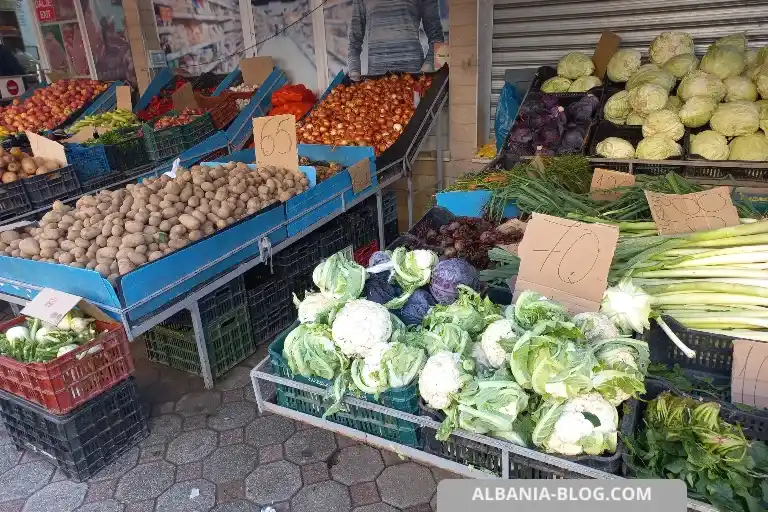
Albania remains one of the most budget-friendly destinations in Europe, though prices jump during the peak summer months (July–August).
-
Accommodation: $30–$60/night for a nice double room or apartment (off-season/shoulder), $70–$150+/night in peak summer in Ksamil.
-
Food: A meal at a traditional local restaurant (Zgara) costs around $5–$10 per person. Seafood at the coast runs $15–$25.
-
Coffee & Drinks: A traditional espresso or Turkish coffee is just $1. Local beer is around $2–$3.
-
Currency: Albania uses the Albanian Lek (ALL).
Important Money Tip: Albania is still a heavily cash-based society. While hotels and big supermarkets accept credit cards, you will need cash Lek for small shops, beach sunbeds, local restaurants, and taxis. ATM fees can be high, so check which local banks offer free or cheap withdrawals before arriving.
Stay Connected: Internet & SIM Cards

Don’t rely entirely on free hotel Wi-Fi if you plan to navigate mountain roads or find hidden beaches. Albania is not part of the EU roaming zone, meaning your European SIM card will charge heavy roaming fees here.
Local SIM: You can buy a physical tourist SIM card at Tirana Airport from Vodafone or One (approx. €20–€30 for huge data packages).
🔎 eSIM (The Easiest Way): To have data the second you land without waiting in airport lines, get an eSIM online. Services like YeSIM offer affordable, instant data plans specifically for Albania.
Safety & Travel Insurance

Is Albania safe? Yes, absolutely. Safety is a top priority for travelers. Any honest albania travel guide will confirm a simple fact. The country is currently one of the safest destinations in Europe.
It is perfectly safe for tourists, solo female travelers, and families. Violent crime against tourists is virtually non-existent. This is due to Besa, the local code of honor. It means locals always look out for guests.
You only need to watch out for two things. First, expect chaotic traffic in Tirana. Second, keep an eye on your pockets in crowded tourist spots.
🔎 Travel Insurance: Even though Albania is generally considered a safe destination, travel insurance can save thousands of euros in unexpected medical situations or flight cancellations. We usually travel with SafetyWing because it works perfectly for both short vacations and long-term digital nomads.
Frequently Asked Questions (FAQ)
When is the best time to visit Albania?
The absolute best months are May, June, and September. You get beautiful beach weather, lower prices, and no crowds. July and August are very hot, crowded, and expensive.
Can I use Euros in Albania?
Yes, you can. Many hotels, taxis, and tour operators accept Euros. However, they will give you change in Lek. This is often at a bad exchange rate. It is always better to pay in local currency (Lek).
Do I need an international driving permit?
Usually, no. Car rental companies in Albania accept standard valid driver’s licenses. This applies to licenses from the US, UK, Canada, or EU countries. Just ensure your license is active.
Is tap water safe to drink?
It is better to avoid it. In major cities like Tirana and Vlora, infrastructure piping varies. Locals advise drinking bottled water or using a filter. Bottled water is very cheap here.
What language is spoken?
The official language is Albanian. However, communication is easy in tourist areas. Younger generations and tourism staff speak excellent English. Many locals also speak fluent Italian.
Summary: Ready to Explore?
Albania is changing fast. Modern infrastructure is developing rapidly, and tourism is now the country’s main priority. Come with an open mind, rent a car, and explore the incredible contrast between wild mountains and Mediterranean beaches.
Your adventure starts now. We hope this comprehensive albania travel guide helps you with logistics. Explore the local culture, find the best layout, and enjoy the scenery.
Video Guide: A Spring Day on Dhermi Beach
Shot date: April 29, 2024.
Check out this quick video from my recent trip to Dhermi — crystal-clear turquoise waters and soft sand, even in late April!
👉 Subscribe to the Life in Albania channel and bookmark this blog for up-to-date prices, honest reviews, and real insider tips. See you in Albania!